












In the age of digital content, the average attention span has been hindered with the popularity of reels and short form videos. According to The American Psychological Association, the median attention span for the average human is about 40 seconds, with the average being about 47 seconds.
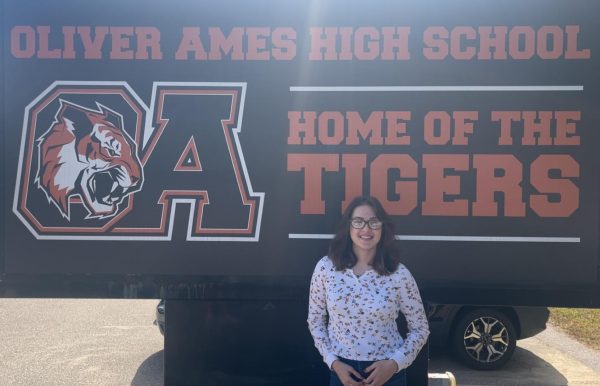
With Mid-Years fast approaching, many Oliver Ames students have seen the extent of their attention span. Jeremy Weaver, a senior at Oliver Ames, has struggled with prioritization of educational tasks and content.
“I possess a highly selective focus, prioritizing tasks that are of immediate importance while effectively filtering out non-urgent matters. This allows me to have time to do self-care activities and not overwhelm myself with extraneous tasks,” Weaver said.
The beloved history teacher, Mr. Gotsell has seen a steady decline in attention from his students. He has tried to flex his curriculum to aid students in their declining attention, although it has continued to perpetuate the problem.
“The best example is my students used to love when I’d show a movie, now they aren’t as excited and would rather just watch short clips. I think this has to do a lot with how students spend their time watching videos on TikTok and other apps. Teens don’t even watch a full 30 minute tv show in front of a tv set like they used to. Sadly, I think adults are partly to blame, as instead of trying to rectify the situation, we’ve just adapted and accepted the problem,” Mr. Gotsell said.
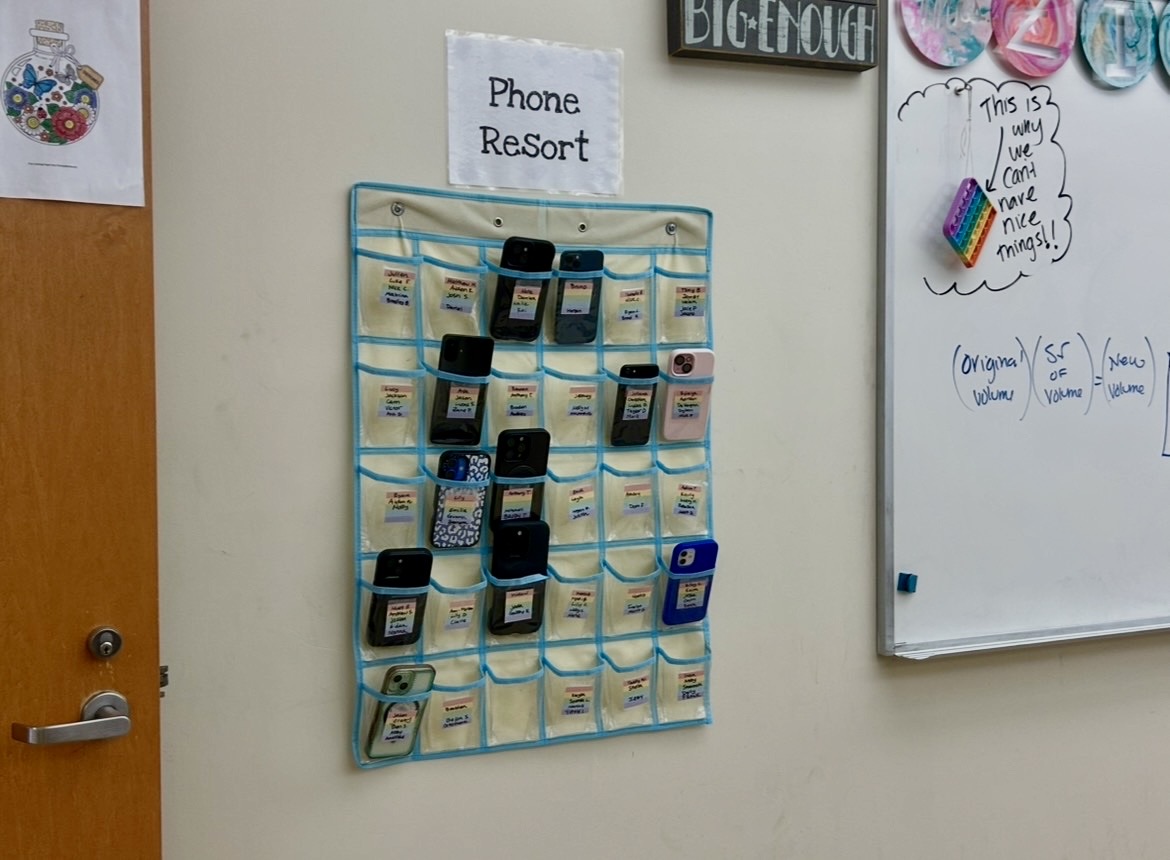
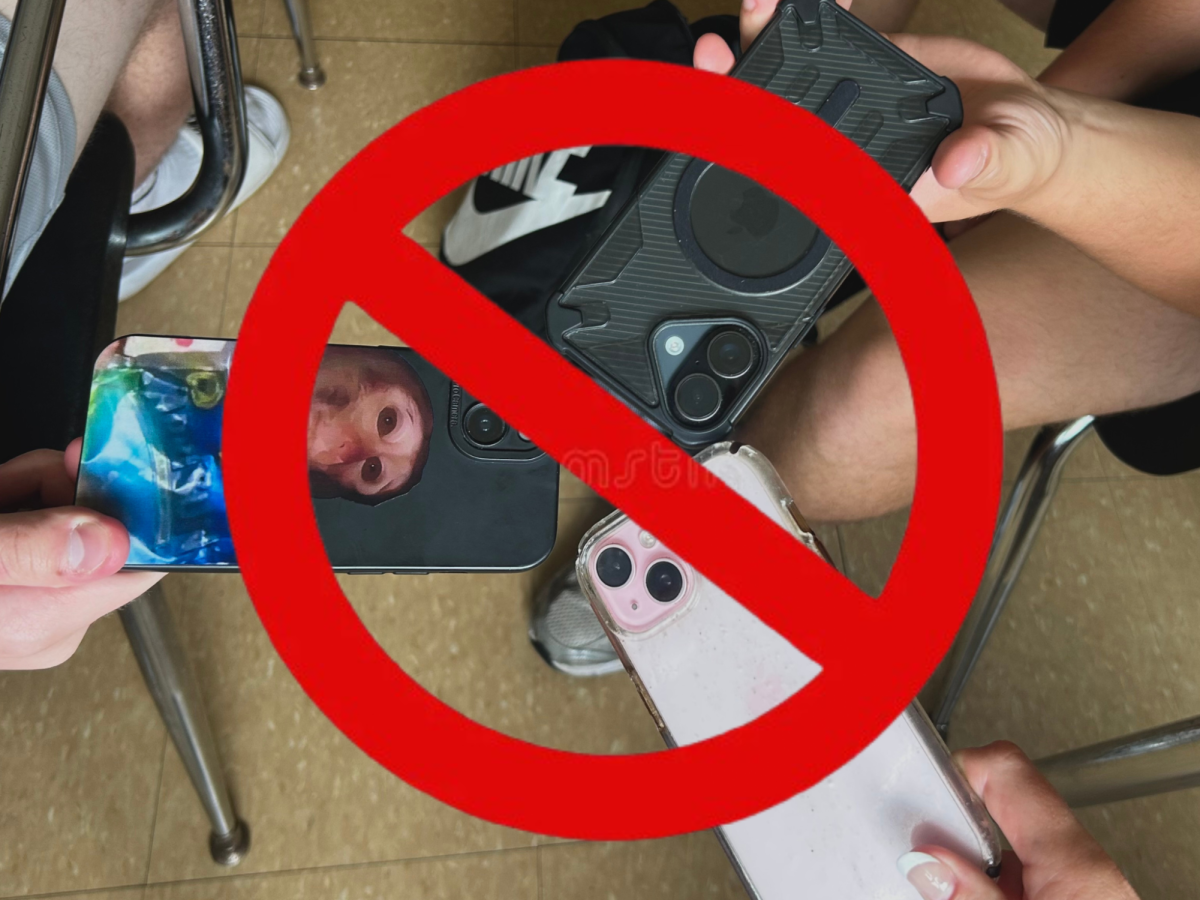
With shorter form content on the rise, like TikTok and Instagram Reels, has been a growing distraction for many students. Laney Parker, an Oliver Ames senior, has felt the distractions from social media.
“I think the biggest impact is the fact that there are so many things to do, especially with TikTok, Instagram, and Snapchat. I can flip through the apps and see all sorts of things and still just be on my phone. It takes no actual time or work,” Parker said.
At Oliver Ames, Mid-Years take place in late January, so students and teachers are starting to prepare. Although devices are crucial to the studying process, it is beneficial to study without them and prepare for exams early.
“I plan to start getting together big study guides soon for mid years so that I can start reviewing everything now, a little each day. During study season, I make myself put my phone away and work with friends who encourage me to stay on task and get what I need done,” Parker said.
Even teachers are starting to prepare for Mid-Years. Mr. Gotsell is preparing to help students excel in their Mid-Year taking experience. Mr. Gotsell and all of the teachers are here to support all students in their academic endeavors.
“I’m old school. So, I truly believe that students need to write down their notes and study guides to truly remember the material. I know students like online study guides, quizlet, etc. But, nothing beats flashcards for vocabulary and handwritten graphic organizers for essays. I still have many of my yellow legal pads with my study guides from college or grad school,” Mr. Gotsell said.
To conclude, Harvard Health recommends mindfulness and self care to balance all the stressors of life. It is imperative to maintain a healthy work-life balance during these stressful times. Good luck to all students preparing for exams during this season!